
Numthaja Environmental Consulting provides Noise Modelling services for projects and facilities that need to analyze expected noise levels, understand how noise propagates within the surrounding environment, and assess potential effects on nearby areas or sensitive receptors in support of technical decisions, environmental compliance, and mitigation planning.
This service helps build a clearer understanding of noise impacts associated with industrial, operational, or traffic-related activities, while linking the results to site conditions, project characteristics, and the most suitable operational or spatial alternatives for reducing potential impacts.
What is Noise Modelling?
Noise modelling is a technical analysis and simulation process used to estimate sound levels and their potential propagation from different sources such as equipment, operational activities, traffic movement, and certain industrial or service-related activities. It aims to understand the expected impact area, identify the most affected locations, and support decisions related to control or mitigation measures.
When does a facility need Noise Modelling?
- When the project includes operational or industrial noise sources
- When environmental studies require assessment of noise impacts
- When there is a need to analyze project impacts on surrounding areas
- When sensitive receptors such as residential zones or public facilities are nearby
- When comparing operational or spatial alternatives
- When evaluating the effectiveness of proposed barriers or mitigation measures
What does the service include?
1. Understanding the project and noise sources
- Reviewing the nature of the activity and site
- Identifying project-related noise sources
- Understanding baseline and alternative operational scenarios
- Identifying nearby sensitive points or areas
2. Preparing technical inputs
- Organizing source sound data
- Preparing relevant spatial data
- Linking the analysis to site conditions and surrounding land uses
- Preparing the necessary modelling and mapping inputs
3. Running the modelling and analysis
- Performing the modelling according to the required scope of work
- Analyzing noise propagation around the project
- Comparing different scenarios when needed
- Preparing outputs that support interpretation and decision-making
4. Interpreting the results in relation to the project
- Explaining the results within the study or project context
- Identifying the most affected areas or receptors
- Supporting mitigation or improvement recommendations where needed
- Linking the results to final environmental deliverables
What can Noise Modelling support?
- Analysis of expected noise impacts within the site and surrounding areas
- Understanding the main noise sources related to the project
- Comparison of different operational scenarios
- Support for mitigation and control recommendations
- Support for improving project operational or spatial planning
- Technical and graphical outputs that support environmental decisions
Software we use in this field
- LimAQ: used for noise modelling, analysis of sound impact levels, and evaluation of different scenarios.
- QGIS: used for preparing spatial data, linking modelling results to maps, and producing clear and organized visual outputs.
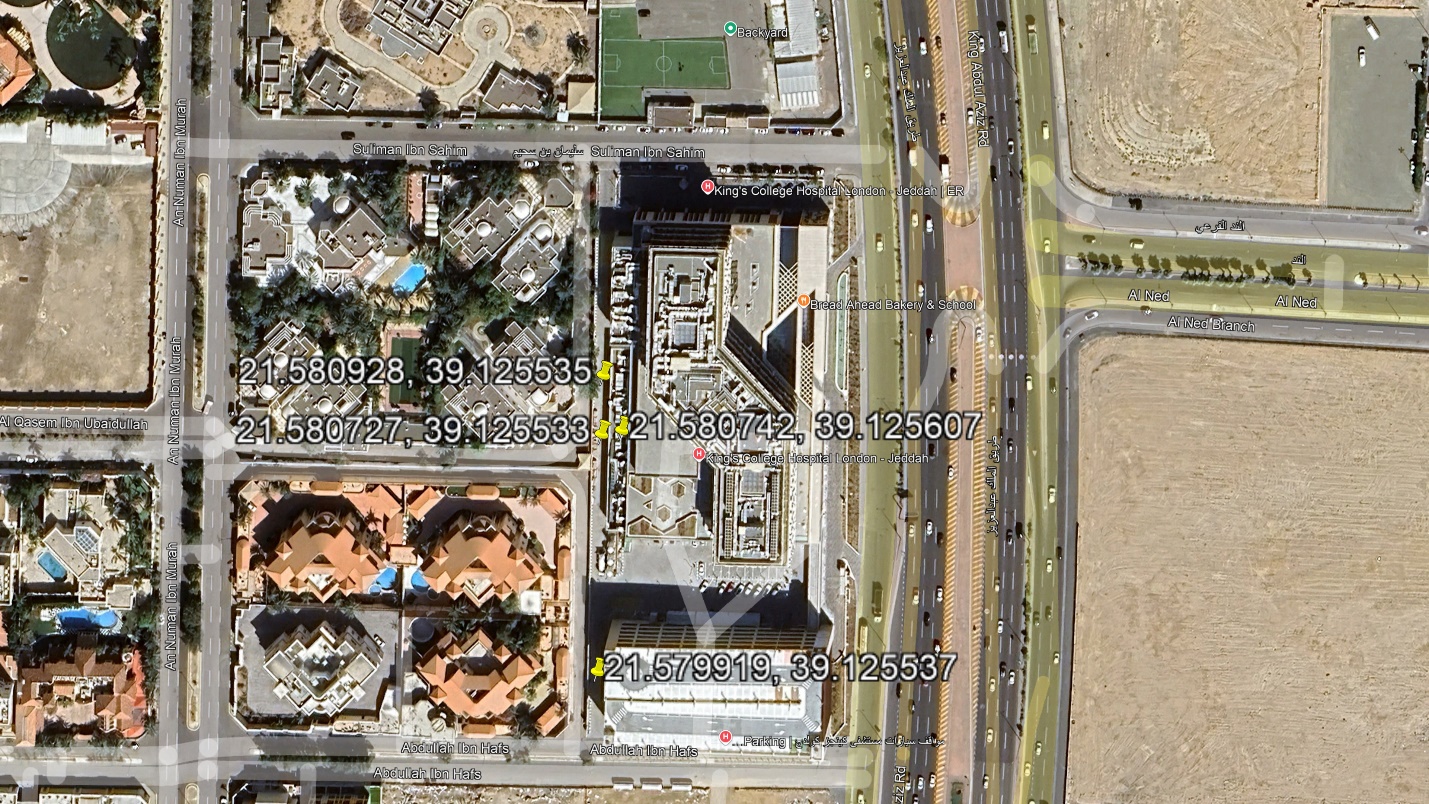
Numthaja applied this methodology in the King’s College Hospital London project, where noise modelling was carried out using LimAQ and spatial outputs were integrated through QGIS, with field measurements used to support calibration and technical interpretation of expected impacts.

Examples of potential deliverables
- Noise contour maps
- Analysis of sensitive receptor points
- Comparison between existing conditions and alternative operational scenarios
- Graphical outputs supporting environmental assessment reports

Sectors that can benefit from the service
- Industrial facilities
- Factories and production lines
- Crushers and quarries
- Infrastructure projects
- Development projects
- Service facilities requiring technical assessment of acoustic impacts
Why Numthaja?
- Specialized experience in noise modelling and its integration with environmental studies
- Use of technical tools such as LimAQ and QGIS
- Analytical and visual outputs that support planning, compliance, and decision-making
- A practical methodology tailored to the nature and needs of each project
How do we start?
- Share project or activity information
- Define the objective of the modelling and the scope of analysis
- Review available technical data and inputs
- Start the work and prepare the technical outputs
- Deliver the results and link them to the related study or report
Request the service
If you need Noise Modelling services, you can contact Numthaja Environmental Consulting to begin reviewing your project and defining the appropriate scope of work.